






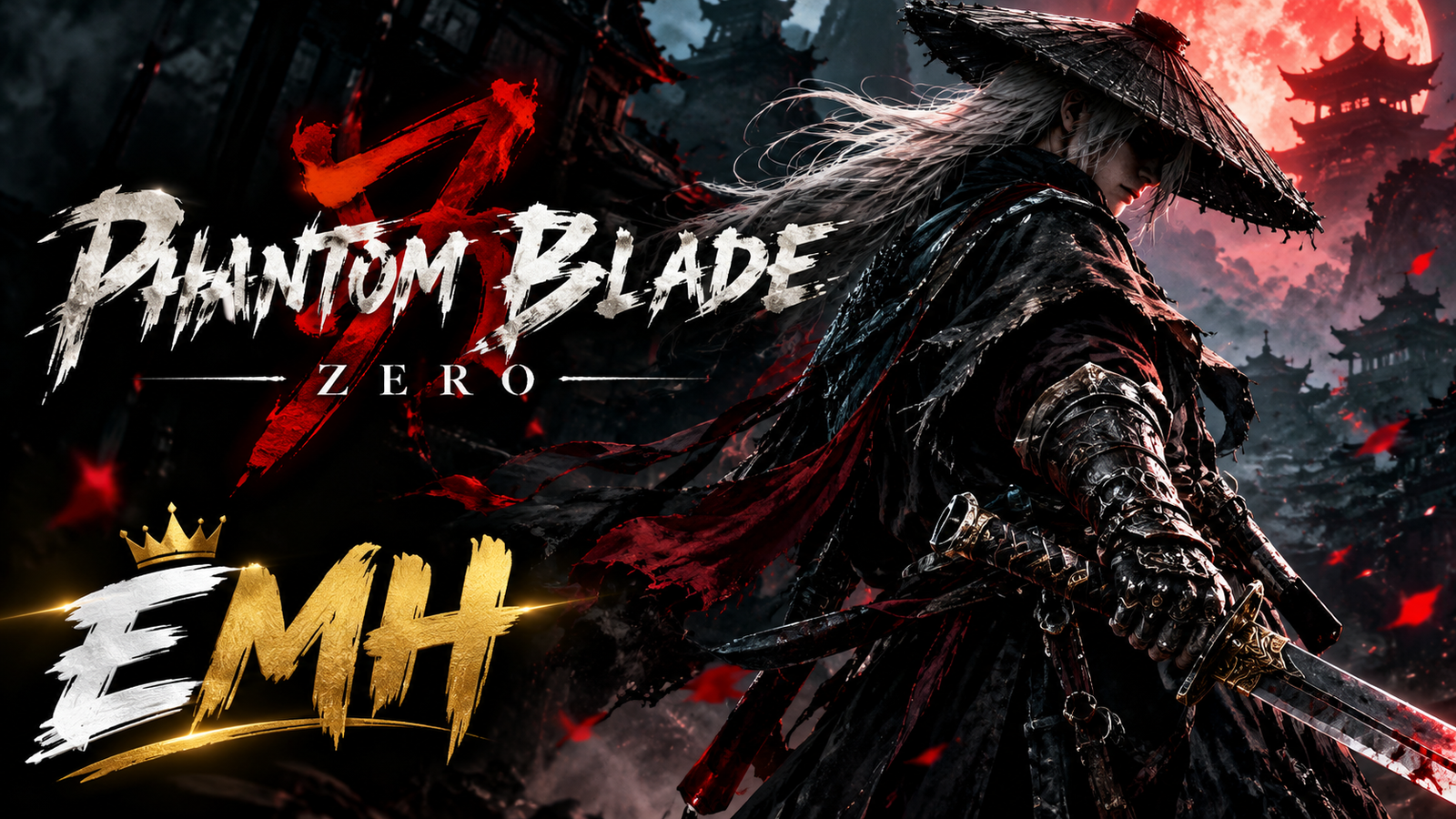
The gaming world has been buzzing for years about a title that promises to redefine martial arts action on consoles and PC. Phantom Blade Zero stands as that highly anticipated single-player action role-playing experience from Chinese studio S-Game. Built on Unreal Engine 5, it blends classic wuxia storytelling with fluid, motion-captured combat and a distinctive style the developers call kungfupunk. Players step into the role of Soul, an elite assassin framed for a crime he did not commit, racing against a ticking clock of just sixty-six days left to live. The game launches worldwide on October 29, 2026 for PlayStation 5 and PC via Steam and the Epic Games Store, after a deliberate delay that allowed the team to polish character models and environments for the strongest possible day-one experience.
This is not another generic open-world title or a pure Soulslike. Phantom Blade Zero carves its own path through handcrafted levels filled with secrets, brutal bosses, and an arsenal that rewards mastery. Previews from hands-on sessions consistently praise the combat as some of the most satisfying and stylish action seen in recent years, drawing direct inspiration from Hong Kong’s golden age of martial arts cinema while weaving in machinery, occult elements, and dark fantasy. With involvement from legendary action star Donnie Yen as a creative consultant and motion-capture performer, the authenticity of every strike and stance feels intentional. For fans of high-octane swordplay, rich world-building, and stories driven by betrayal and limited time, this release marks a major moment in 2026’s calendar.
The Story of Soul and the Race Against Time
At the heart of Phantom Blade Zero lies a tightly focused narrative that wastes little time establishing stakes. Soul serves as an elite assassin within a secretive and powerful organization known simply as The Order. When the patriarch of that group is murdered, Soul finds himself framed for the killing and left for dead with a devastating wound to the heart. A mysterious figure intervenes, offering him a chance at survival through a tainted replacement heart. The choice carries a heavy price: sixty-six days of life remaining if he wants to retain his emotions and sense of self. From that moment, the clock starts ticking as Soul navigates a world of shifting loyalties, former comrades turned hunters, and a conspiracy that reaches far beyond one assassination.
The setting unfolds across the Wulin and the broader Phantom World, a place where traditional martial arts culture collides with mechanical prosthetics, folk horror, and occult forces. Reality itself can feel unstable, with Memory Flowers, Transcension, and figures like the Lady of the Veil offering deeper layers of mystery. Every rumor, whisper, and side path potentially unravels more of the larger web of intrigue. Side content does not exist merely as filler; it can influence the broader narrative in macroscopic ways, giving players agency over how certain threads resolve without relying on a rigid honor system. The main story is expected to run roughly twenty to thirty hours, with additional exploration and challenges extending that significantly for those who hunt every secret and optional boss.
This setup creates natural tension that few action RPGs match. Knowing the protagonist’s days are numbered shapes both the story’s urgency and optional difficulty modes. One particularly intense mode turns the sixty-six-day countdown into a literal gameplay mechanic, where each death costs precious time and reaching zero means permanent failure. The result is a narrative that feels personal and high-stakes without overstaying its welcome or padding itself with unnecessary filler quests.
Combat That Captures Authentic Kungfu Fluidity
Combat forms the undeniable core of Phantom Blade Zero and the element that has generated the strongest praise from previewers. Every weapon, stance, and finisher draws from traditional Chinese martial arts, refined through extensive motion capture involving professional martial artists and consultation with Donnie Yen. The goal was never to create another parry-heavy Soulslike clone. Instead, the team focused on seamless offense and defense happening almost simultaneously, mirroring the dynamic flow seen in classic wuxia films. Light and heavy attacks chain into combos that feel easy to learn yet deep enough for mastery, while defensive options include distinct blue and red parries that reward precise timing.
Players carry two primary weapons at once and can switch between them fluidly, supported by secondary tools known as Phantom Edges. More than thirty primary weapons appear throughout the game, many claimed from defeated foes along with their signature techniques. These range from classic swords and twin blades to oversized shields, buzzsaw-like tools, fist wraps, bows, fire-spewing masks, and specialized styles such as the Drunken Sword. The drunken style builds a unique energy meter that enhances evasion while the character sways and staggers, turning apparent vulnerability into a tactical advantage. Phantom Edges number over twenty and provide special attacks that add dramatic flair and tactical options without interrupting the core flow.
A shared Sha-Chi meter functions as both stamina and guard resource for the player and enemies. Guarding drains it gradually, while aggressive Sha-Chi combos deplete an opponent’s meter faster and open windows for devastating finishers. Boss encounters stand out as highlights, each featuring unique move sets, dynamic soundtracks that shift with phases, and often multi-stage designs that demand adaptation rather than pure memorization. Higher difficulties introduce enemies that react to player habits in real time, punishing predictable patterns and rewarding creative weapon switching and spacing.
One previewer summed up the feeling after hours of play by noting that there was never a moment where they did not feel like a complete badass, citing sequences such as defending against gunfire while riding a horse-drawn wagon or executing dual kicks against enemies on both sides. The combat system succeeds because it prioritizes power fantasy and cinematic satisfaction while remaining grounded in authentic martial principles.
Exploring the Handcrafted World of the Wulin
Phantom Blade Zero deliberately avoids the sprawling, sometimes empty open worlds that dominate many modern action RPGs. Instead, it presents a series of meticulously designed, semi-open levels and chapters that connect through fast-travel points once discovered. Each area feels packed with hidden enemies, rare treasures, side stories, and environmental storytelling that rewards curiosity. The visual style mixes lush traditional Chinese-inspired architecture and landscapes with industrial machinery, mechanical augmentations, and darker occult touches that define the kungfupunk aesthetic.
The Phantom World itself introduces shifting realities and layered secrets. Players uncover Memory Flowers and interact with higher powers while piecing together the conspiracy that framed Soul. Exploration never feels like a chore because combat opportunities and narrative clues sit side by side. Optional bosses and collectibles encourage thorough investigation without forcing completionists to grind through repetitive content. The handcrafted approach allows the art team to focus on atmospheric density rather than sheer scale, resulting in environments that look stunning under Unreal Engine 5’s lighting, reflections, and particle effects.
This design philosophy also supports the story’s intimate scale. Because the world is not endless, every location carries weight and every discovery feels intentional. Fast travel between known points keeps the pace high, letting players return for missed secrets or challenge tough optional encounters after gaining new weapons and skills.
Development Journey and the Birth of Kungfupunk
S-Game, based primarily in Beijing with teams in Shanghai, Hong Kong, and Los Angeles, poured years of work into Phantom Blade Zero. Early concepts for a large-scale console title existed as far back as 2017, with full development ramping up around 2022. The studio previously focused on mobile titles in the Phantom Blade series, making this their first major AAA-scale 3D project on Unreal Engine 5. That transition presented significant challenges, from technical pipelines to the sheer scope of motion capture and animation required for authentic kungfu.
Director and producer Soulframe Liang has spoken about creating a new identity rather than simply copying existing genres. The term kungfupunk emerged as a deliberate fusion of traditional wuxia codes, martial arts cinema, and modern elements like steampunk machinery and punk attitude. Motion capture sessions involved professional martial artists, and Donnie Yen contributed both creative consultation and performance capture for a key character. The team emphasized that every move should feel rooted in Chinese kungfu rather than generic fantasy combat or other martial traditions.
A deliberate delay from the original September 9, 2026 target to October 29 allowed final upgrades to character models and environments. Pre-orders opened in August 2026 alongside an extended trailer and a dedicated State of Play deep dive that showcased story, combat, and progression systems. The decision to ship a polished product rather than rely heavily on day-one patches reflects a mature approach rare in the current industry climate.
Editions, Platforms, and What to Expect at Launch
Phantom Blade Zero launches simultaneously on PlayStation 5 and PC. The PS5 version benefits from haptic feedback, adaptive triggers, and 3D audio, with Pro Enhanced support available. On PC it supports modern technologies including DLSS and ray-traced effects. A twelve-month console exclusivity window for PlayStation means other platforms will not see a version until at least late 2027 if they arrive at all.
Two main editions are available:
| Edition | Price (US) | Contents |
|---|---|---|
| Standard | $59.99 | Full game, pre-order bonuses (Treasure Basin accessory and Legacy outfit, also earnable in-game) |
| Digital Deluxe | $69.99 | Full game, two exclusive outfits (Wulin Legend and Blood-Steel Form), digital artbook, digital soundtrack, plus Standard pre-order bonuses |
Pre-order incentives focus on early access to cosmetic items rather than exclusive gameplay advantages, keeping the experience fair for all players. System requirements for PC will help players gauge performance needs, and the game is rated Mature for blood and violence in relevant regions.
Progression, Difficulty Options, and Replay Value
Beyond the core combat loop, Phantom Blade Zero includes meaningful character progression. A skill tree allows upgrades to mastery of techniques, while weapons themselves can be enhanced to unlock new forms and abilities. Defeating bosses and exploring yields new tools that expand tactical options rather than simply increasing numerical power. The arsenal grows organically as Soul claims the signature weapons of fallen opponents, encouraging experimentation across different playstyles.
Difficulty settings cater to a wide range of players. Wayfarer mode delivers a more cinematic and approachable experience that lets anyone feel like a kungfu master. Higher tiers increase enemy health and aggressiveness, while the most demanding options introduce adaptive AI that reacts to player behavior in real time. The special Sixty-Six Days mode, unlockable after an initial clear in some accounts of the systems, turns the narrative time limit into a hardcore challenge with permanent consequences for failure. New Game Plus is expected to support further runs with retained progress and additional challenges.
These systems create strong replay value. Different weapon combinations, difficulty choices, and attention to side content can lead to noticeably different experiences on subsequent playthroughs. The relatively focused main campaign length makes multiple runs more feasible than in sprawling open-world titles that demand dozens of hours for a single completion.
Visuals, Audio, and Technical Ambition
Unreal Engine 5 powers the presentation, delivering detailed character models, dynamic lighting, and particle effects that enhance both quiet exploration and chaotic combat. Ray-traced reflections and shadows appear on supported hardware, while the overall art direction balances beauty with a grim, atmospheric tone suited to the story’s darker themes. Environments shift between traditional elegance and industrial grit, reinforcing the kungfupunk identity.
The audio design matches the visual ambition. Dynamic soundtracks evolve during boss fights, often changing genre or intensity across phases while incorporating leitmotifs. Combat audio emphasizes the clash of steel and the weight of impacts without becoming fatiguing. The score and sound effects work together to heighten the cinematic feel of every major encounter.
Technical performance remains a key focus heading into launch. Previews noted occasional frame-rate concerns on high-end PC hardware in earlier builds, but the final polishing period was specifically intended to address such issues. The studio’s decision to delay rather than rush suggests confidence in the finished product’s stability.
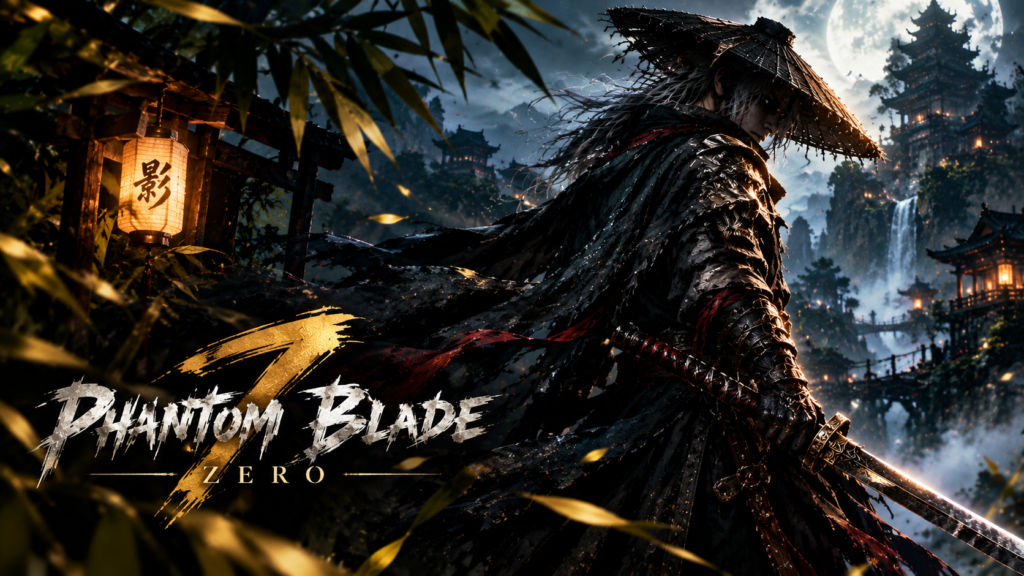
Comparisons and Where It Fits in the Action RPG Landscape
Phantom Blade Zero occupies a distinctive space among modern action games. While it shares some structural similarities with titles that feature challenging bosses and checkpoint systems, the developers have repeatedly stressed that it is not a Soulslike. The combat prioritizes fluid, stylish exchanges over deliberate, weighty positioning. Comparisons to Sekiro arise more from the satisfaction of precise parries and the power fantasy of mastery than from direct mechanical cloning.
Its closest spiritual relatives may be other high-skill martial arts or cinematic action experiences, yet the specific fusion of authentic Chinese kungfu, wuxia storytelling, and punk-inflected world design sets it apart. The involvement of Donnie Yen and traditional martial arts schools further distinguishes the project from Western or Japanese-developed titles that interpret Asian martial arts through a different cultural lens. For players seeking something that feels fresh rather than iterative, the combination of handcrafted levels, deep weapon variety, and a time-limited narrative offers a compelling alternative to both open-world fatigue and pure difficulty-focused experiences.
Anticipation and Community Reception Ahead of Launch
Since its early reveals, Phantom Blade Zero has built a dedicated following through carefully staged trailers and hands-on opportunities. Each new showing demonstrated clear progress in combat fluidity, visual fidelity, and scope. Previewers who spent multiple hours with the opening chapters consistently emerged excited, often ranking the game among their most anticipated titles of the year. Comments frequently highlight the style, the boss design, and the pure joy of the combat systems.
The studio has maintained transparent communication, explaining the delay as a quality-focused decision and providing substantial gameplay footage rather than purely cinematic trailers. That approach has helped manage expectations while fueling genuine enthusiasm. As the October 29, 2026 release approaches, the conversation has shifted from speculation to concrete discussion of weapons, difficulty modes, and story themes.
Conclusion
Phantom Blade Zero arrives as a confident statement from a studio stepping into the AAA space with a clear vision. By grounding its action in authentic martial arts, wrapping that action in a distinctive kungfupunk aesthetic, and driving the story with a meaningful time limit, it avoids many of the pitfalls that plague larger open-world productions. The combination of handcrafted environments, an expansive yet purposeful arsenal, and fluid combat that rewards skill creates an experience that feels both accessible and deeply satisfying.
Whether you come for the stylish swordplay, the dark wuxia intrigue, or the simple pleasure of mastering new weapons against memorable bosses, the game offers a focused and ambitious package. With its October 29, 2026 launch on PlayStation 5 and PC, Phantom Blade Zero stands ready to deliver one of the most distinctive action RPG experiences of the year. For anyone who values precision combat, atmospheric world-building, and stories that respect the player’s time, this is a title worth watching closely as the countdown to release continues.
What is the release date for Phantom Blade Zero?
Phantom Blade Zero launches worldwide on October 29, 2026 for PlayStation 5 and PC through Steam and the Epic Games Store. The date was adjusted from an earlier September target to allow additional polish on character models and environments after development reached completion.
Who is the main character in Phantom Blade Zero?
Players control Soul, an elite assassin who once served a powerful organization called The Order. After being framed for the murder of the group’s patriarch and left with a fatal heart wound, he receives a tainted replacement heart that grants him only sixty-six days to live while he seeks the truth behind the conspiracy.
Is Phantom Blade Zero a Soulslike game?
The developers have emphasized that Phantom Blade Zero is not a Soulslike. While it features challenging bosses and some checkpoint systems, the combat focuses on fluid, cinematic martial arts exchanges inspired by wuxia cinema rather than the deliberate, weighty style associated with Soulslike titles. The experience prioritizes stylish power fantasy and authentic kungfu flow.
How many weapons are available in Phantom Blade Zero?
The game features more than thirty primary weapons that players can dual-wield and switch between, along with over twenty unique Phantom Edges that serve as secondary tools with special attacks. Many weapons are obtained by defeating powerful foes and come with their own signature techniques, encouraging experimentation across different combat styles.
What platforms will Phantom Blade Zero be available on at launch?
At launch, Phantom Blade Zero will be available on PlayStation 5 and PC via both Steam and the Epic Games Store. The PlayStation version includes a twelve-month exclusivity window relative to other consoles, and the game supports advanced features such as haptic feedback on PS5 and modern upscaling technologies on PC.