





The world of competitive gaming moves faster than most traditional sports, and keeping up requires more than casual scrolling. Every day brings fresh roster changes, tournament upsets, new prize pools, and shifts in how teams, publishers, and fans interact. That constant flow is exactly why so many people turn to reliable esports news sources to stay informed. Whether you follow League of Legends, Counter-Strike 2, VALORANT, Dota 2, or the growing mobile scene, the stories coming out of the industry right now feel bigger and more interconnected than ever.
In 2026 the audience has grown past 640 million global viewers, mobile titles continue to pull massive concurrent numbers, and events like the Esports World Cup in Paris delivered record prize money while shifting venues for logistical reasons. Sponsorship deals, media rights, and regional leagues keep evolving, and the conversation around player welfare, betting integrity, and long-term careers has never been louder. This piece digs into the current landscape, the biggest storylines, the titles driving attention, and practical ways to follow everything without drowning in noise. The goal is simple: give you a clear, engaging picture of where competitive gaming stands today and where it looks headed next.
Understanding the Current State of the Esports Industry
The industry has matured from niche LAN parties into a multi-billion-dollar entertainment sector. Revenue estimates for 2026 sit in a broad range depending on how broadly you define the market, but most trackers place professional league and tournament income somewhere between the low single billions while the wider ecosystem that includes consumer spending, streaming, and related products climbs higher. Sponsorship remains the largest slice, followed by media rights, merchandise, tickets, and publisher support. Mobile gaming has become a genuine growth engine, especially across Asia-Pacific, where titles like Mobile Legends: Bang Bang regularly post peak viewership numbers that rival or exceed many PC and console events.
What stands out in the latest cycle is the mix of consolidation and expansion. Large investment groups, particularly those with Middle East backing, have taken bigger stakes in tournament organizers, teams, and even game publishers. At the same time, regional leagues in places like India, Southeast Asia, and Latin America keep building their own infrastructure. The result is a more global calendar that still has clear peaks around major international championships. Fans who once only cared about one title now find themselves following multiple scenes because the storytelling and production quality have improved across the board.
Player pathways have also sharpened. Academy systems, Tier 2 circuits, and official developmental tournaments give more competitors a realistic shot at the top. That depth creates better storylines for esports news coverage because upsets feel earned rather than random. Organizations that treat their players as long-term assets rather than short-term contracts tend to perform more consistently, and the public conversation around mental health, contracts, and post-career options has grown healthier.
Major Titles Driving Attention Right Now
League of Legends continues to set the gold standard for structured regional leagues and global events. The LCK, LPL, LEC, and LCS all deliver high production values and passionate fan bases. In 2026 the familiar names still dominate headlines, with veterans like Faker adding yet another Worlds qualification to an already historic résumé. Regional playoffs decide Worlds berths, and the drama around those final slots always generates intense discussion. New formats and Tier 2 championships from Riot have expanded the talent pool, giving rising players clearer routes upward.
Counter-Strike 2 sits near the top of prize-pool and hours-watched lists. The move to Majors with larger fields and the continued strength of teams such as Team Spirit, MOUZ, and others keep the scene competitive. Events like IEM Cologne carrying Major status and the later PGL Major in Singapore give the year clear milestones. The tactical depth of the game rewards preparation and adaptation, which is why match analysis remains some of the richest content available. Viewership spikes during these windows show that the core audience is still highly engaged.
VALORANT has built one of the cleanest franchised systems in the industry. Partnered teams across Americas, EMEA, Pacific, and China compete through Stages and Masters events that feed into Champions. In 2026 the path to Shanghai has already produced strong regional performances, and the group draws create early storylines worth following. Agent balance changes and map updates keep the meta fresh, while the Game Changers circuit continues to grow the women’s side of the game. The combination of tactical shooting and ability usage creates highlight-reel moments that travel well beyond the core audience.
Dota 2 still delivers some of the largest single-event prize pools through The International and high-profile circuit stops. The game’s complexity and the strength of Eastern European and Chinese squads ensure that every major tournament feels unpredictable. Mobile titles, especially Mobile Legends: Bang Bang and Honor of Kings, pull enormous concurrent audiences in their home regions and increasingly on the global stage. Their rapid match length and accessibility make them perfect for both casual viewing and high-stakes competition.
Fighting games, racing titles, and newer entries such as Trackmania or returning Fortnite modes round out the calendar. The variety means there is almost always something live worth watching, which is both a blessing and a challenge for anyone trying to stay current through esports news alone.
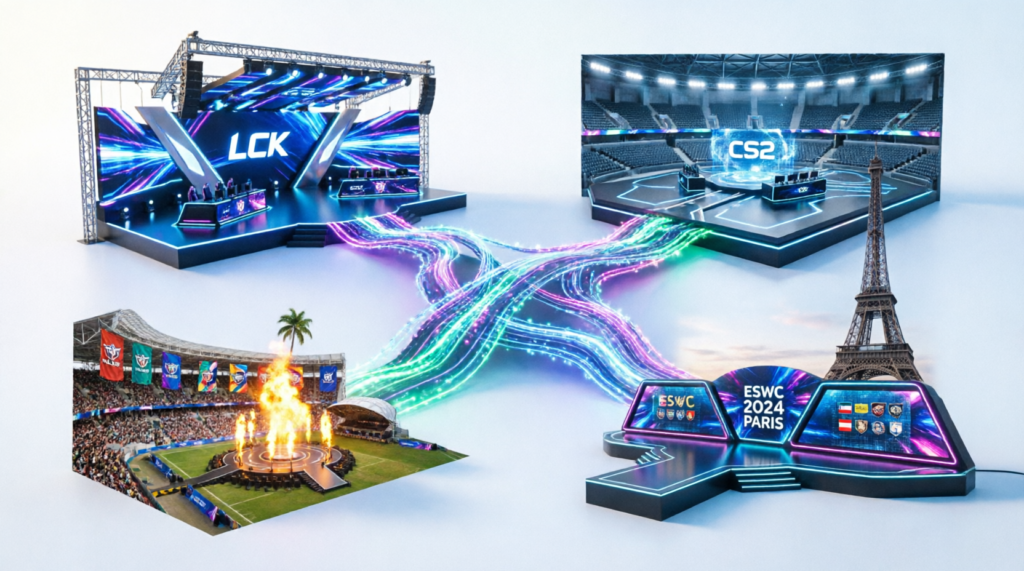
Spotlight on the Esports World Cup and Other Flagship Events
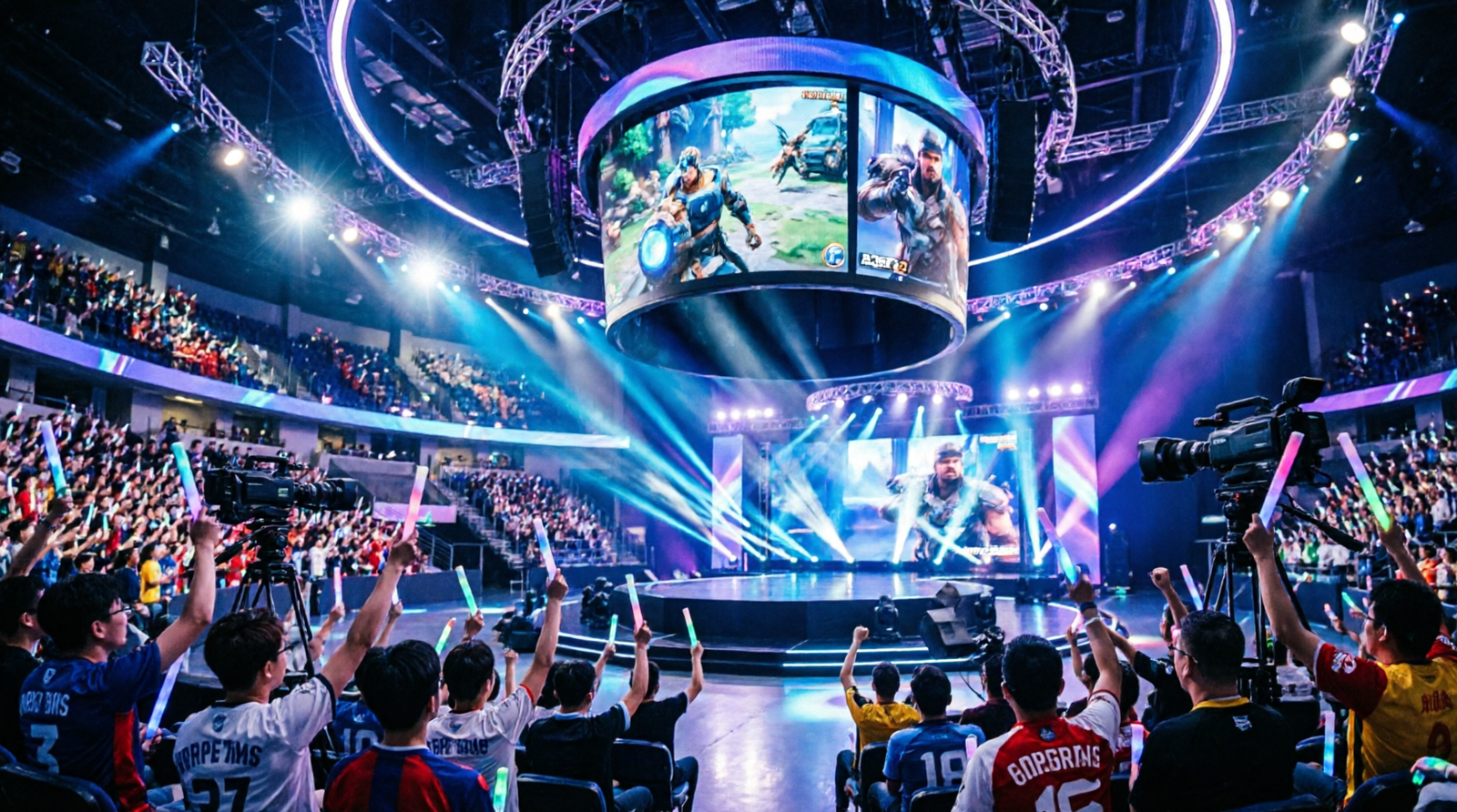
The 2026 Esports World Cup moved to Paris and delivered a $75 million prize pool across dozens of titles. The shift from its previous host city created logistical challenges but also brought the event closer to large European and North American audiences. Club Championship standings, individual title races, and the sheer number of games on offer made it one of the year’s defining multi-title festivals. Team Spirit’s strong showing in Counter-Strike, strong performances from established organizations across other games, and the festival atmosphere around the venues gave fans plenty to talk about.
Beyond the World Cup, the traditional calendar still matters. League of Legends Worlds, VALORANT Champions, CS2 Majors, The International, and regional finals continue to set the emotional peaks of the year. The Asian Games also featured esports medals, adding another layer of national representation. These large events generate the bulk of mainstream coverage and sponsorship dollars, but the mid-tier and regional tournaments often produce the most interesting long-term stories because they surface new talent and test experimental formats.
Production quality has climbed steadily. Multiple camera angles, player cams, statistical overlays, and co-streaming partnerships help events reach wider audiences. Platforms experiment with different presentation styles, and the best broadcasts feel closer to traditional sports coverage while still celebrating the unique culture of competitive gaming.
How Roster Changes and Player Stories Shape the Narrative
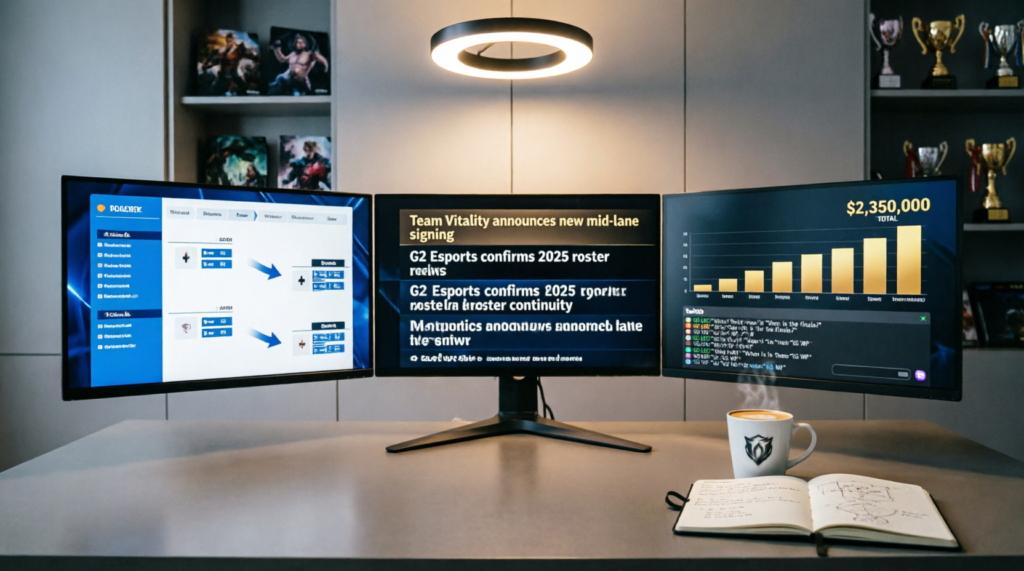
Transfers remain one of the most reliable sources of daily conversation. A single high-profile move can shift power rankings overnight and force every rival team to reassess. In 2026 we have already seen coaches leave long-term roles, star players test free agency, and organizations reshuffle around new strategic identities. Some moves are about chemistry, others about salary, and still others about giving a veteran one more deep run or giving a young talent a bigger stage.
Player narratives give the numbers a human face. Longevity stories, such as veterans still competing at the highest level after more than a decade, inspire younger competitors. Comeback arcs after injury or form dips create natural drama. International moves that force players to adapt to new languages, time zones, and team cultures add another layer. Good esports news coverage balances the transactional side of roster updates with the personal stakes involved.
Organizations that invest in support staff, psychologists, and clear communication tend to retain talent longer. The public has grown more aware of burnout risks, and leagues that implement better scheduling or rest windows receive positive feedback. That cultural shift slowly improves the overall health of the scene.
The Business Side: Sponsorships, Media Rights, and Investment
Sponsorship dollars still power most teams and tournaments. Brands from energy drinks and peripherals to luxury goods and financial services see value in associating with young, digitally native audiences. The best partnerships feel authentic rather than forced, and teams that build genuine community around their brands tend to attract longer-term deals.
Media rights continue to evolve. Exclusive streaming deals, free-to-air experiments, and co-streaming arrangements all try to maximize reach without fragmenting the audience too badly. Some regions lean heavily on one platform while others remain more open. The data on hours watched shows steady growth overall, with Counter-Strike and certain mobile titles posting especially strong numbers in recent cycles.
Investment activity remains active. Large funds and strategic buyers look at tournament organizers, team ownership stakes, and even related technology companies. The presence of significant capital has professionalized many operations, though it also raises questions about competitive balance and long-term sustainability if revenue growth slows. Smart organizations treat the money as a tool for building durable infrastructure rather than chasing short-term flash.
Regional Differences That Keep the Scene Interesting
Asia remains the largest talent and audience base for many titles. Korea and China continue to produce elite League of Legends and other PC talent, while Southeast Asia and South Asia drive mobile growth. Europe maintains strong CS2 and VALORANT scenes with passionate local support. North America has rebuilt certain leagues and continues to excel in production and entertainment value. Latin America and the Middle East and North Africa region have expanded their infrastructure and national representation, creating new storylines and market opportunities.
These regional differences mean the same game can feel completely different depending on where you watch. Meta preferences, play styles, and even fan culture vary, which is part of what makes international events so compelling. When a team from one region adapts successfully to another’s style, the result often becomes the defining narrative of that tournament.
Following Esports News Without Getting Overwhelmed
The volume of information can feel endless. Smart consumption starts with choosing a few primary sources that cover the titles you care about most. Specialized sites for CS2 statistics, VALORANT match tracking, or League of Legends schedule updates complement broader outlets that cover industry trends. Social platforms deliver breaking roster news fastest, while longer-form analysis helps put those moves in context.
Setting reasonable expectations helps. No one can watch every match or read every article. Focusing on the major tournaments, a handful of favorite teams, and one or two trusted analysts creates a manageable rhythm. Many fans also enjoy community discussions that go beyond pure results into strategy, personality, and humor.
Video content, whether official broadcasts, highlight channels, or independent creators, remains one of the most accessible entry points. Short-form clips introduce new viewers, while full VODs and analytical breakdowns reward deeper engagement.
Emerging Trends Worth Watching
Mobile esports continues its climb, both in pure viewership and in the professionalization of leagues. Franchised structures in new markets and larger prize pools for mobile titles signal that the gap with traditional PC esports is narrowing in certain regions.
Integrity and betting remain active conversation topics. Regulated sportsbooks, publisher policy shifts, and monitoring systems aim to protect competitive fairness while acknowledging that many fans enjoy the wagering side. Clear rules and transparent enforcement help maintain trust.
Women’s circuits and mixed competition opportunities keep expanding. Game Changers and similar initiatives create pathways that did not exist a few years ago, and the skill level continues to rise. Visibility for these competitions helps normalize broader participation.
Technology itself shapes the experience. Better anti-cheat, improved spectator tools, and experiments with new presentation formats all influence how matches feel to watch. Some organizers explore hybrid online-offline models that reduce travel burden while preserving the energy of live crowds.
A Look at Key Upcoming and Recent Tournament Windows
The calendar in any given year contains dozens of notable events. The table below highlights a selection of high-profile competitions that have shaped or will shape the 2026 conversation. Dates and details can shift, so always check official sources for the latest confirmation.
| Tournament | Game | Approximate Window | Notable Details |
|---|---|---|---|
| Esports World Cup | Multiple | July–August | $75 million total prize pool, held in Paris |
| IEM Cologne Major | CS2 | June | Major status, large field |
| VALORANT Champions | VALORANT | September–October | Shanghai host, 16 teams |
| The International | Dota 2 | August | Traditional high prize pool |
| League of Legends Worlds | League of Legends | Fall | Global championship |
| BLAST Open Fall | CS2 | Late August–early September | Strong European stop |
| PGL Major Singapore | CS2 | November–December | Second Major of the year |
These windows create natural concentration points for both casual and dedicated fans. Between them, regional leagues and mid-tier events keep the competitive engine running and surface the next wave of talent.
Voices from Inside the Scene
One longtime coach reflected on the current environment by noting that “the teams that treat preparation as a daily habit rather than a pre-tournament sprint are the ones still standing in the final weeks.” That mindset appears across successful organizations regardless of title.
A veteran player who has competed for more than a decade observed that “the mental side of the game has finally caught up with the mechanical side. Organizations that ignore recovery and communication eventually pay for it on stage.” The comment captures a broader cultural shift that many insiders welcome.
An industry analyst summarized the business reality simply: “Sponsorship and media rights still carry the load, but the organizations that build genuine community and multi-title presence have more options when one revenue stream softens.” Those perspectives help ground the flashier headlines in practical reality.
Challenges the Industry Continues to Navigate
Sustainability remains a live issue. Not every organization can operate at the highest spending levels forever, and some consolidation is inevitable. Finding the right balance between ambitious investment and realistic revenue targets will decide which teams and leagues thrive long term.
Audience fragmentation is another constant. With so many titles and platforms, attention is spread thin. The most successful properties create appointment viewing moments that cut through the noise. Cross-promotion and smart scheduling help, but the pure volume of content means fans must choose where to invest their time.
Player career length and post-playing opportunities also deserve ongoing attention. The best scenes already treat development and transition support as part of the professional standard rather than an afterthought. Expanding those practices across more titles and regions will strengthen the overall talent pipeline.
Why Reliable Coverage Matters More Than Ever
In a space that moves this quickly, accurate and timely reporting separates useful information from rumor. Good journalism verifies roster changes before amplifying them, explains format shifts in plain language, and puts individual results into longer-term context. It also highlights the human stories that statistics alone cannot capture.
Fans benefit when coverage balances celebration of excellence with honest discussion of problems. Transparency around scheduling, contracts, and competitive integrity builds trust. The outlets and creators that consistently deliver that mix become the ones people return to week after week.
The growth of the audience also means more people outside the traditional core are discovering competitive gaming for the first time. Clear explanations of rules, formats, and storylines help those newcomers stay engaged rather than feel lost. That educational role is an often under-appreciated part of strong esports news work.
Looking Ahead to the Rest of 2026 and Beyond
The second half of the year still holds major championships that will define season-long narratives. Worlds, Champions, the remaining Majors, and regional finals will produce new champions and new talking points. Beyond the trophies, the ongoing experiments with formats, media deals, and regional development will shape the next few seasons.
Mobile growth, continued investment, and the professionalization of more circuits all point toward a larger and more diverse industry. The challenge will be converting that scale into stable careers and sustainable businesses. The organizations, leagues, and publishers that solve those puzzles while still delivering exciting competition will set the tone for the years ahead.
For fans, the best approach remains curiosity mixed with selectivity. Follow the titles and teams that genuinely interest you, seek out analysis that deepens understanding, and enjoy the spectacle when the biggest stages light up. The competitive gaming world rewards those who stay engaged without trying to consume everything.
Conclusion
Competitive gaming in 2026 offers more depth, production value, and global reach than at any previous point. From the massive multi-title festivals to the grinding regional leagues, the stories keep coming. Staying current through thoughtful esports news coverage lets fans appreciate both the highlight-reel moments and the quieter developments that shape the next chapter. The industry still faces real challenges around sustainability, integrity, and player welfare, yet the energy and creativity on display remain undeniable. Whether you are a longtime follower or just discovering the scene, there has never been a better time to dive in and follow the action.
What are the best ways to stay updated with daily esports news?
Following a mix of specialized sites for your favorite titles and broader industry outlets works well. Pair those with official league social channels for schedules and verified roster updates. Setting notifications for major tournaments and a couple of trusted analysts keeps the volume manageable while ensuring you catch the important developments.
Why has mobile gaming become so important in recent esports news?
Mobile titles reach huge audiences in Asia and other growing markets, often posting concurrent viewership numbers that rival traditional PC events. Their shorter match lengths and accessibility make them attractive both for casual fans and for professional circuits. As prize pools and franchised leagues expand, mobile esports continues to claim a larger share of overall attention and investment.
How do major events like the Esports World Cup influence the broader scene?
Large multi-title festivals create shared moments that pull in viewers who might normally stick to one game. The prize money, production scale, and club championship format encourage organizations to compete across multiple titles. The resulting coverage elevates the entire industry’s visibility with sponsors, media partners, and new fans.
What role do player transfers play in ongoing coverage?
Roster moves are among the most frequent and closely followed stories because they immediately affect competitive balance and fan expectations. A single signing can rewrite power rankings and generate weeks of analysis about team chemistry, meta fit, and long-term strategy. Tracking these changes helps fans understand why certain squads rise or fall over a season.
Where can newcomers start if they want to follow esports news without feeling lost?
Pick one or two popular titles and learn their basic formats through official broadcasts or beginner-friendly explainers. Focus first on the biggest annual championships rather than every regional match. Over time the storylines, rivalries, and personalities become clearer, and expanding to additional games feels natural rather than overwhelming.